

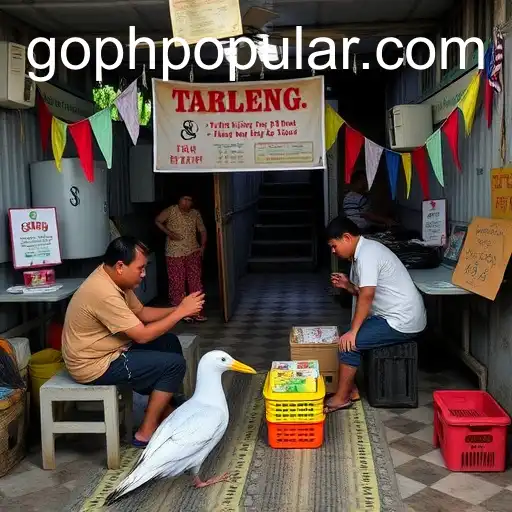

In the heart of the Philippines, jueteng stands out as a pervasive and controversial form of illegal lottery. With roots deeply entrenched in the socio-economic fabric of the nation, jueteng continues to be an issue of significant political, economic, and cultural complexity. Despite numerous attempts to eradicate it, jueteng resists uprooting largely due to its popularity and the socio-economic realities faced by many Filipinos.
Jueteng, believed to have been introduced during the Spanish colonization, has evolved into a numbers game characterized by its simplicity and accessibility. Participants typically select two numbers between 1 and 37, or sometimes up to 40, depending on regional variations. Winners are determined through a combination of random drawing and communal betting pools. This structure, along with relatively low entry stakes, makes jueteng immensely appealing to the masses, especially in impoverished areas.
In regions where jueteng thrives, poverty and limited economic opportunities create a fertile ground for its operation. The lure of immediate financial reward, no matter how small or improbable, draws consistent participation from locals who view it as a potential escape from economic hardships. For many, spending a few pesos on a chance could mean a temporary reprieve from their day-to-day struggles.
Moreover, jueteng often extends financial benefits beyond mere participation. It provides employment opportunities to thousands who work within its network, from personnel involved in collecting bets to those in charge of drawing the numbers. These roles offer a livelihood in areas where jobs are otherwise scarce, reinforcing the game’s persistence despite legal prohibitions.
The persistent existence of jueteng cannot be separated from its political ramifications. Syndicates that manage jueteng have, over the years, built formidable networks that extend into the political arena. At times, politicians have been accused of either turning a blind eye to jueteng activities or outright supporting them in exchange for monetary benefits or political contributions.
Such relationships highlight the systemic challenges faced in eradicating jueteng. Attempts at legal crackdowns often encounter resistance, not only from those directly financially benefiting but also from influential individuals who might see these operations as votes secured through financial support and community influence.
Efforts to establish regulation or replace jueteng with legal forms of lottery face an uphill battle. Legal alternatives, such as the Small Town Lottery (STL), have been promoted as a means to replace jueteng. Still, they often lack the widespread trust and simplicity intrinsic to jueteng, leading to poor success rates in curtailing its operations.
Beyond economic and political aspects, the cultural footprint of jueteng is notable. It is often seen not just as a game of chance but also as a communal activity that breeds social connections and camaraderie among participants. In communities where leisure options are limited, gathering around jueteng activities is a form of social engagement.
This cultural perception further complicates efforts to abolish it. Those advocating for its removal often face criticism for not understanding the deeper socio-cultural context that sustains the practice. While outsiders may see it merely as an illegal operation, locals might view it as an integral facet of their community life.
Addressing the issue of jueteng requires a comprehensive understanding of its multi-dimensional nature. Solutions must go beyond legal ordinances and tackle the root causes that enable its existence. Economic empowerment, social welfare amplifications, and education are crucial in providing alternatives to the lure of quick gains offered by jueteng.
Governments and policymakers must strive for transparent enforcement alongside opportunities that genuinely uplift communities. Initiatives targeted at poverty alleviation, such as job creation, education, and community development programs, are vital. Meanwhile, the promotion of legal gaming formats must consider accessibility, fairness, and the simplicity much cherished in jueteng.
Ultimately, engaging with community leaders and stakeholders becomes essential to work towards sustainable progress. As such, a concerted effort involving government, private sectors, and civic organizations is indispensable in transforming the cultural and economic landscape that currently harbors jueteng.

An in-depth look at the popular game MafiaMayhem, exploring its gameplay, rules, and how recent events have influenced its rise to fame.

Delve into the captivating world of 'Curse of the Pharaoh Bonus Buy,' a game that combines ancient Egyptian allure with modern gaming excitement. Discover its unique features, engaging gameplay, and the influence of current trends on its development.

DABANGGG is a thrilling new game captivating audiences worldwide. Discover its unique aspects, rules, and impact on current events.

Explore the captivating adventure game 'PharaohTreasure' and master its rules and challenges in this in-depth article.

Dive into the explosive gameplay of CandyBlitzBombs, a game making waves in the PHPOPULAR gaming community with its unique blend of strategy and fun.

Explore the captivating world of LegendOfCleopatra, where history and gaming merge to offer an unforgettable experience.
